
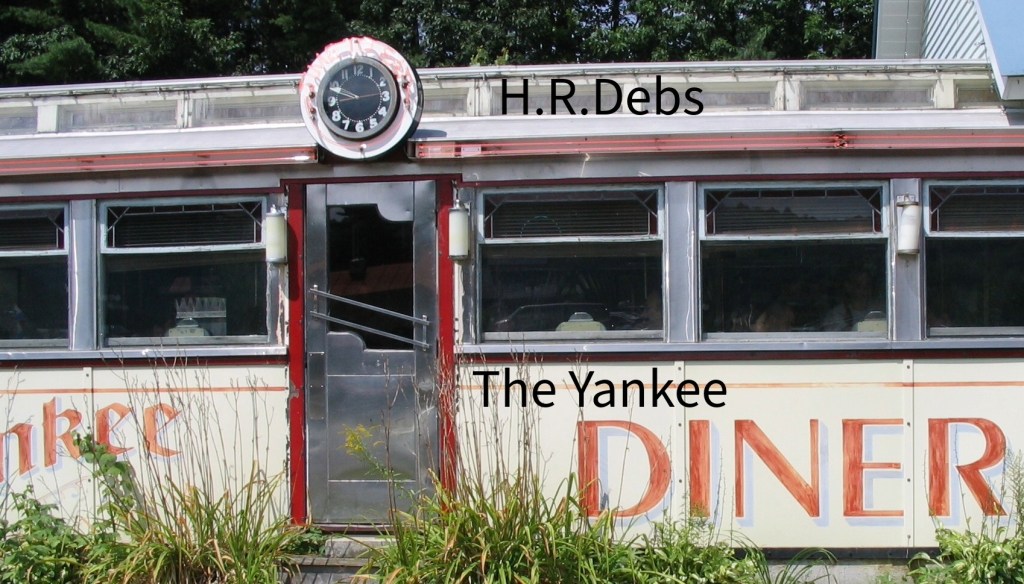
The Yankee Diner is “bare Americana” – performed in the back room of a printing plant; no studio recording, this is garage music, bare Americana, featuring H.R.Debs with The Evening’s Entertainment. (c) (p) 2026, H.R.Debs
Beta version, share link for limited time in advance of distribution. Enjoy! Go where the music is (Soundcloud)—https://bit.ly/41tMyto
Pete Seeger: A Personal Reflection on the Life Lesson He Left Behind
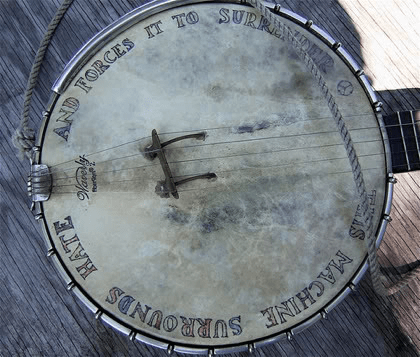
This machine surrounds hate and forces it to surrender [“Pete’s banjo head.” Photograph of Pete Seeger’s banjo by Tom Davis (tcd123usa), via Flickr, licensed under a Creative Commons License.]
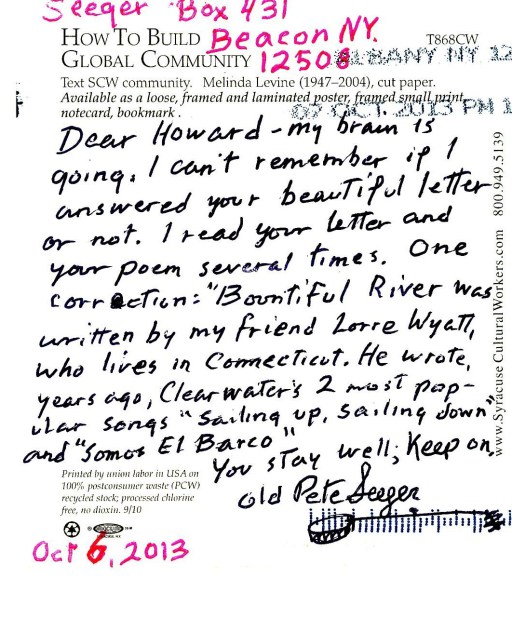
On July 14, 2013 I went online to the Woody Gurthrie.org website. It was Woody’s birthday after all. I was stunned to see a note of condolence to Pete on the loss of his wife Toshi. She had passed away just days before. I immediately composed a sympathy letter and sent it and less than three months later I received the postcard from Pete thanking me for my thoughtfulness…
When I first arrived in Boulder
I remember heading to the Deeter’s
boarding house—that was
almost sixty years ago,
on the “hill” as it was called,
an eager student looking
forward to the future.
I saw the Flatirons for the first time
the welcome-to-the-Rocky-Mountains range;
being a boy from Illinois, the Prairie State,
the giants put me in my place,
a small presence within mother earth’s
landscape; I recollect
staring out from one of its peaks
looking down on the city
then much smaller, now grown
a consequence of its appeal to those
free-spirited, nature-loving,
gentle souls who chose to call it home.
I think back to my first winter there,
the thermometer showing in the teens
yet a sweater kept me warm,
the air so crisp the humidity so low;
I recall plodding through the snow gleaming
in beams of streetlights, my new
knee-high army-surplus canvas mukluks
serving the purpose the Inuit people intended;
heading back to my room from a coffeehouse
after listening to locals cover the tunes of
Odetta, Joan Baez, The Weavers,
that night serene and still—

excerpt from “Boulder feels like a bubble. And the bubble burst.” first published in Topical Poetry
https://web.archive.org/web/20210425211223/https://topicalpoetry.com/boulder-feels-like-a-bubble-and-the-bubble-burst-ryan-borowski-boulder-mass-shooting-survivor/
The Evening’s Entertainment was: Ira Klinger*, guitar, banjo, harmonica, percussion, vocals; Mitch Wahrman*, bass, drums, vocals; Jack Kaplan*, vocals; Howard Gordon, vocals, Howard Debs, guitar, banjo, vocals.
*may his memory be for a blessing
My music isn’t about the states of the union; it’s about a state of the mind. If it strikes people’s emotions, makes them jump and clap and makes them remember or makes them forget, if it touches people’s feelings and makes them see a different side of life in their own lives then that’s the kind of music I write and sing. —h.r.debs
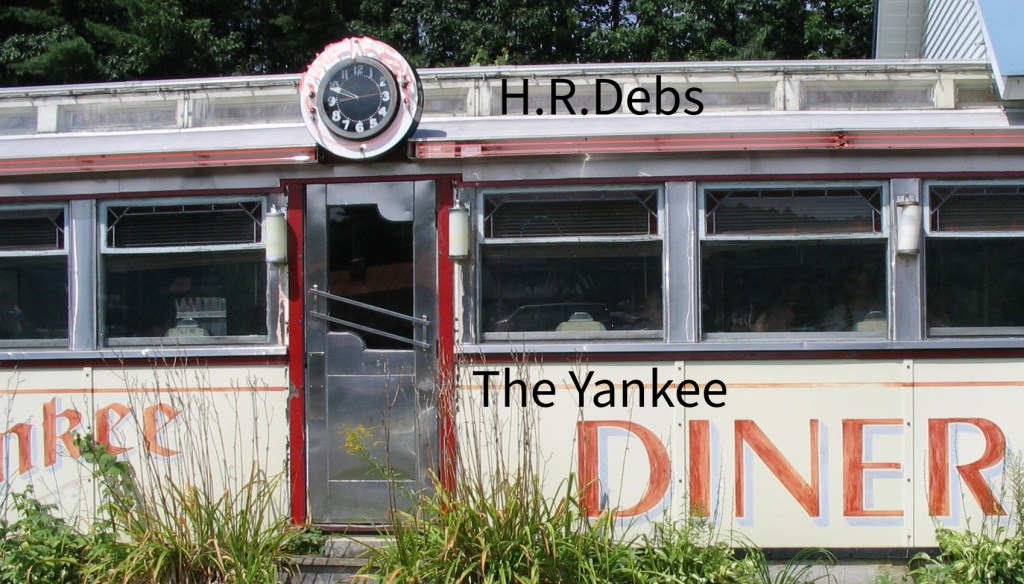
What Defines a Diner? I am a devotee of the all-American diner. It is a bulwark in the fabric of this country. I have taken countless photos of diners as I have occasioned upon them in my travels and have one “diner photo” published in particular and a couple of poem variations published in arts and literary publications and in my book Gallery about this important institution. Here is the back story of “The Yankee Diner” by way of explication, and to give a basis for judgment should you encounter a place you think might be accorded this honorific.
What defines a diner? “Official” definitions indicate that a diner is a prefabricated restaurant building (requiring no expensive real estate investment on the part of the restaurateur) — early on these were properly called “lunch wagons” — offering a wide array of mostly American cuisine, served in a casual atmosphere, providing counter service, and late operating hours. Many apply the term to eating establishments featuring traditional diner food and characteristics regardless of where housed. One of the well- known diner manufacturers was the Worcester Lunch Car Company of Worcester, Massachusetts (1906–1957).
While traveling through in August of 2005 in Quechee Vermont, near the Quechee Gorge — known as “The Little Grand Canyon of New England” — I took the photo of this authentic restored classic diner, a Worcester #787 Streamliner, originally built in 1946. Each classic diner has a provenance all its own, as much as any work of art would, and this noble example is no exception. Originally known as the Ross Diner, owned and operated by the Ross brothers, its early life was spent on the south side of Cabot Street in South Holyoke, Massachusetts on a lot surrounded by four-story brick tenements. lt is reported that it was very popular in the early morning, serving breakfast to day shift workers before 7:00 AM and graveyard shift workers after 7:00 AM. The Ross Diner closed in 1990 and was moved to West Lebanon, New Hampshire in 1991. Plans to open there fell through and another buyer moved it to Quechee in 1992. ln 1997, it was renamed the Yankee Diner and attached to the Farina Family Restaurant. Subsequent to my visit and this photo being taken, The Yankee Diner closed in 2006 but reopened soon afterwards as the Farmers Diner. Latest reports indicate that as of April 7 ,2012 the Farmers Diner was closed, but this representative of its “genre” was once more given new life by chef/owner Randy Jacobs — who also owns another local establishment — as the Quechee Diner in June of 2012. ln its September 4, 2012 review of the diner’s latest incarnation the Rutland Herald quoted the new proprietor thusly: “‘l believe in all-American comfort food,’ Jacobs said.”
If you wish to peruse one of my paeans to the diner and other things “Americana” go to: https://visiblemagazine.com/baseball-america-yankees-a-photo-journal/
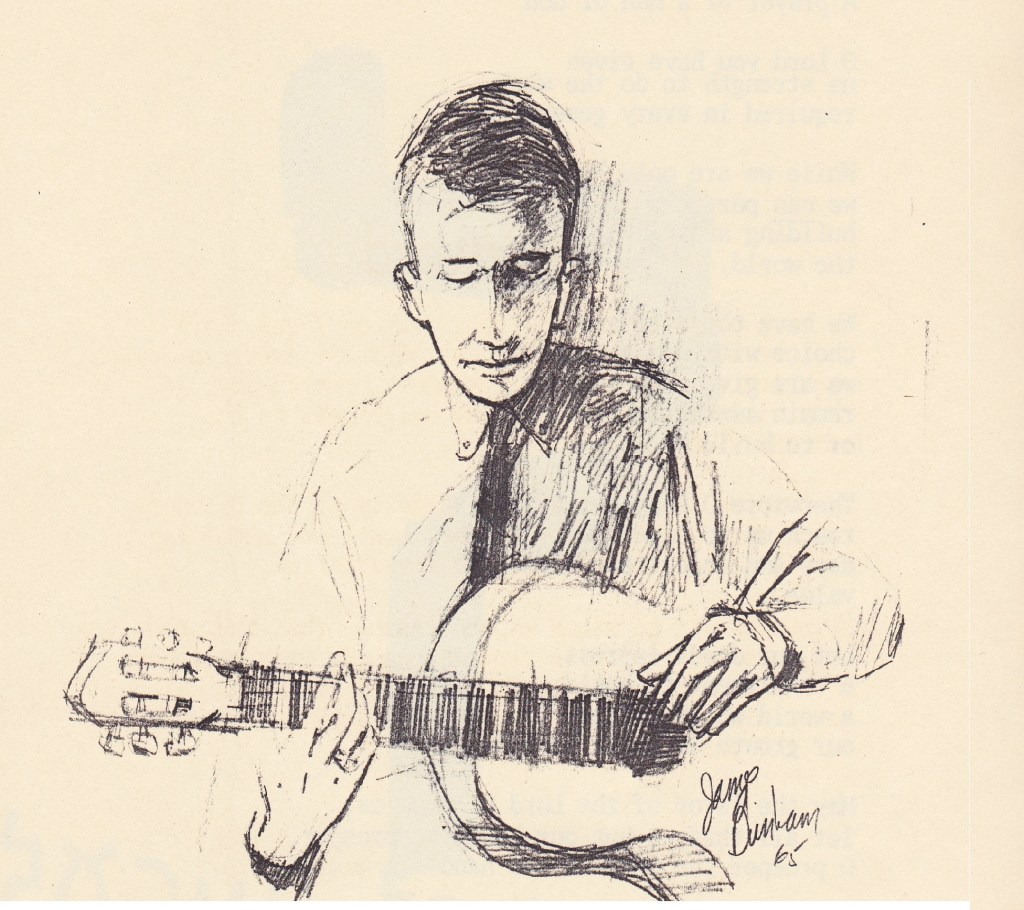
I want people to feel the music and to think about the words; to me, a song is really the words wrapped in a melody and too many songs say too little and there’s so much to be said about the way we live and the hopes we have. —h.r.debs
Go where the music is (Soundcloud)—https://bit.ly/41tMyto
 Howard Richard Debs